
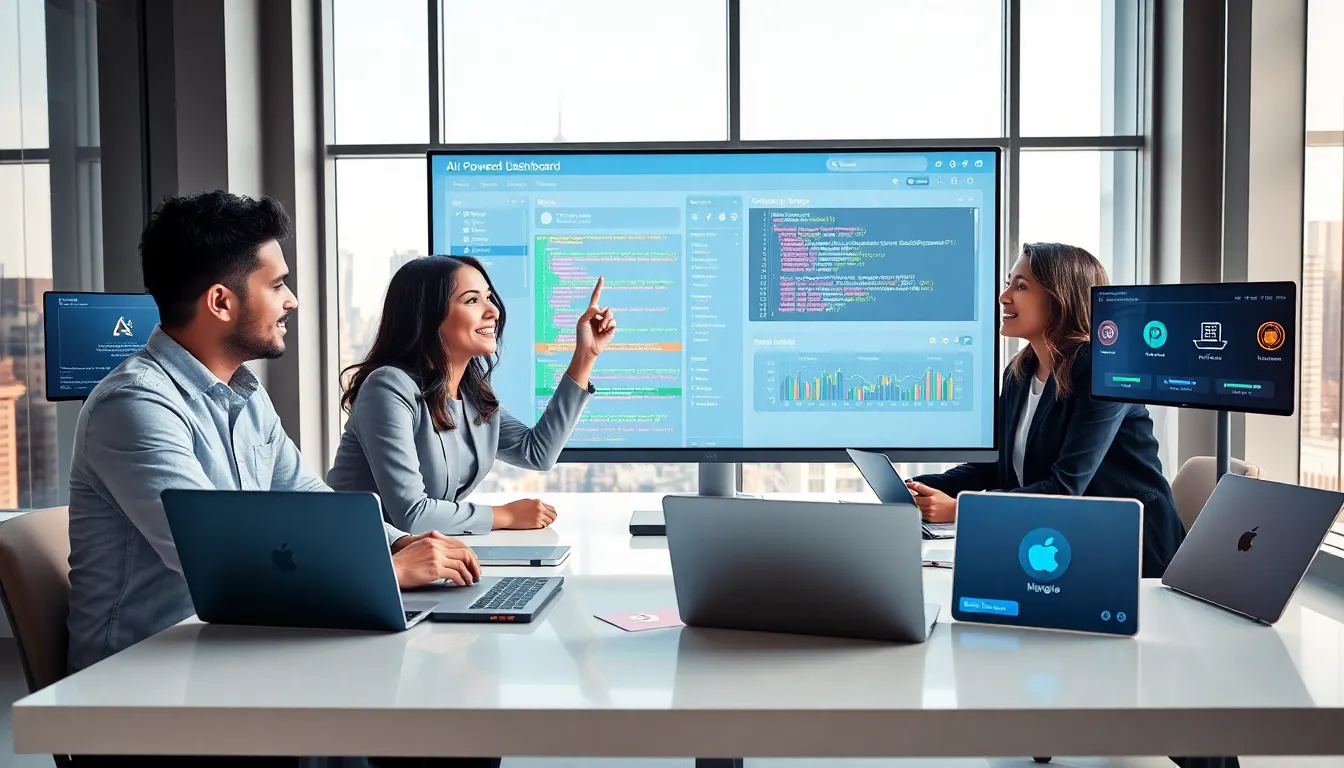
Coding tutorials trends 2026 will reshape how developers learn new skills. The industry is moving fast, and the methods people use to pick up programming are changing with it. AI tools, interactive platforms, and bite-sized content are pushing traditional learning aside. Developers who want to stay competitive need to understand where coding education is headed. This article breaks down the key coding tutorials trends 2026 will bring, from personalized AI experiences to community-driven models that connect learners worldwide.
Table of Contents
ToggleKey Takeaways
- Coding tutorials trends 2026 center on AI-powered personalization that adapts lessons to each learner’s pace and skill gaps.
- Gamified and interactive platforms boost engagement through points, badges, leaderboards, and multiplayer coding challenges.
- Short-form video tutorials and micro-learning are becoming the preferred format, delivering focused concepts in 60 seconds to 5 minutes.
- Emerging technologies like AI/ML, Rust, Web3, cloud-native tools, and cybersecurity dominate the most in-demand tutorial topics.
- Community-driven learning through Discord servers, mentorship programs, and live coding sessions is replacing isolated study.
- The best coding tutorials in 2026 build active communities alongside content to keep learners accountable and supported.
AI-Powered Personalized Learning Experiences
AI is transforming coding tutorials in 2026. Machine learning algorithms now analyze how each student learns. They identify weak spots, adjust lesson difficulty, and recommend specific exercises. This creates a custom path for every learner.
Traditional coding tutorials treated all students the same. Everyone followed the same videos, completed the same projects, and moved at the same pace. That approach left many learners behind. Some found material too easy. Others struggled with concepts that moved too quickly.
AI-powered platforms solve this problem. They track performance in real time. If a student struggles with loops, the system provides extra practice. If they breeze through arrays, it skips ahead. This adaptive approach makes coding tutorials trends 2026 far more effective than previous years.
Several platforms now offer AI tutors that answer questions instantly. These tools explain errors in plain language. They suggest fixes and provide context. Students no longer wait for forum responses or instructor feedback.
The personalization extends to project recommendations too. AI systems match students with projects that fit their skill level and interests. A beginner interested in web development gets different suggestions than someone focused on data science. This keeps motivation high and learning relevant.
Expect more coding tutorials in 2026 to integrate these AI features as standard offerings.
The Rise of Interactive and Gamified Coding Platforms
Gamification is becoming central to coding tutorials trends 2026. Platforms are adding points, badges, leaderboards, and challenges to keep learners engaged. This isn’t just about fun, it works.
Research shows gamified learning increases completion rates. Students who earn rewards and track progress stay motivated longer. They return to platforms more often. They finish more courses.
Interactive coding environments have improved significantly. Learners now write and execute code directly in their browsers. They see results immediately. No setup required. No installation headaches. This removes a major barrier for beginners.
Some platforms have built entire storylines around their coding tutorials. Students complete missions, unlock new levels, and defeat coding challenges to advance. Characters guide them through concepts. Narratives provide context for why skills matter.
Multiplayer coding challenges are gaining popularity too. Students compete against peers in real-time coding battles. They solve problems under time pressure. Leaderboards rank performance globally. This competitive element pushes learners to improve.
Pair programming features let students work together on problems. They share screens, discuss solutions, and learn from each other’s approaches. Social elements make coding tutorials in 2026 feel less isolating.
Game-based learning isn’t replacing serious education. It’s making it more effective and enjoyable.
Short-Form Video Tutorials and Micro-Learning
Short-form content dominates coding tutorials trends 2026. Attention spans are shrinking. Schedules are packed. Learners want quick, focused lessons they can consume during breaks.
Platforms like TikTok and YouTube Shorts have normalized bite-sized education. Coding instructors now deliver complete concepts in 60 seconds to 5 minutes. These micro-lessons cover single topics: how to center a div, write a for loop, or debug a specific error.
This format works well for several reasons. Short videos are easier to produce. Instructors can publish more frequently. Students can watch during commutes, lunch breaks, or between meetings. Learning fits into daily life.
Micro-learning also improves retention. Students absorb small chunks better than hour-long lectures. They can review specific concepts without scrubbing through lengthy videos. Search and discovery become simpler.
Many coding tutorials in 2026 combine short-form videos with practice exercises. Students watch a 3-minute explanation, then complete a quick coding challenge. This active learning approach reinforces concepts immediately.
Longer tutorials still have their place. Complex projects require extended instruction. But the trend clearly favors shorter, more focused content. Creators who adapt to this shift will reach larger audiences.
Expect coding platforms to prioritize mobile-friendly, vertical video formats that match how people consume content today.
Focus on Emerging Technologies and Languages
Coding tutorials trends 2026 reflect shifts in industry demand. New technologies require new skills. Tutorial platforms are racing to cover these areas.
AI and machine learning remain hot topics. Tutorials on building AI agents, working with large language models, and integrating AI into applications are multiplying. Python continues to dominate this space, but specialized frameworks get increasing attention.
Rust is gaining momentum in systems programming. Its memory safety features attract developers building secure, high-performance applications. More coding tutorials now teach Rust fundamentals and advanced patterns.
Web3 and blockchain development maintain steady interest even though market fluctuations. Tutorials cover smart contract development, decentralized applications, and blockchain integration. Solidity remains the primary language for Ethereum development.
Cloud-native technologies drive significant tutorial creation. Kubernetes, Docker, and serverless architectures appear in countless coding tutorials. 2026 brings even more content on multi-cloud strategies and edge computing.
Low-code and no-code platforms are creating a new category of tutorials. These teach non-developers to build applications visually. Professional developers learn to extend these platforms with custom code.
Cybersecurity coding tutorials are expanding rapidly. Organizations need developers who understand secure coding practices. Tutorials cover vulnerability detection, penetration testing, and security-first development.
Smart tutorial platforms track job postings and adjust their catalogs accordingly. They add content for emerging skills before demand peaks.
Community-Driven and Collaborative Learning Models
Community features define coding tutorials trends 2026. Learning alone is hard. Community support makes it easier.
Discord servers, Slack channels, and forum communities now accompany most major tutorial platforms. Students ask questions, share progress, and help each other debug problems. This peer support fills gaps that tutorials leave.
Mentorship programs connect beginners with experienced developers. Some platforms match students with mentors automatically. Others let students choose mentors based on expertise and availability. Regular check-ins keep learners accountable.
Live coding sessions bring communities together. Instructors build projects in real time while students watch and ask questions. These sessions create shared experiences. Students learn not just what to code, but how experienced developers think through problems.
Open-source contribution has become a learning pathway. Coding tutorials in 2026 guide students toward their first pull requests. They explain how to find beginner-friendly issues, follow contribution guidelines, and communicate with maintainers. Real-world experience beats simulated projects.
Study groups form around specific technologies or courses. Members meet weekly to discuss concepts, review code, and work through challenges together. Accountability partners keep each other motivated.
User-generated content supplements official tutorials. Experienced students create explanations for concepts that confused them. These peer-created resources often explain ideas more simply than original materials.
The best coding tutorials in 2026 build communities, not just content libraries.